Sliding Glass Doors: Advantages, Disadvantages, and Everything in Between
Sliding glass doors remain a sought-after selection for today's homes, providing a combination of sophistication and functionality. They maximize natural illumination and establish a fluid transition between interior and exterior spaces. Nevertheless, certain disadvantages are present, such as safety and upkeep issues. The level of thermal efficiency fluctuates according to multiple considerations. As residents balance the positives with the negatives, gaining a thorough understanding of all aspects becomes vital. What particular factors should homeowners take into account?
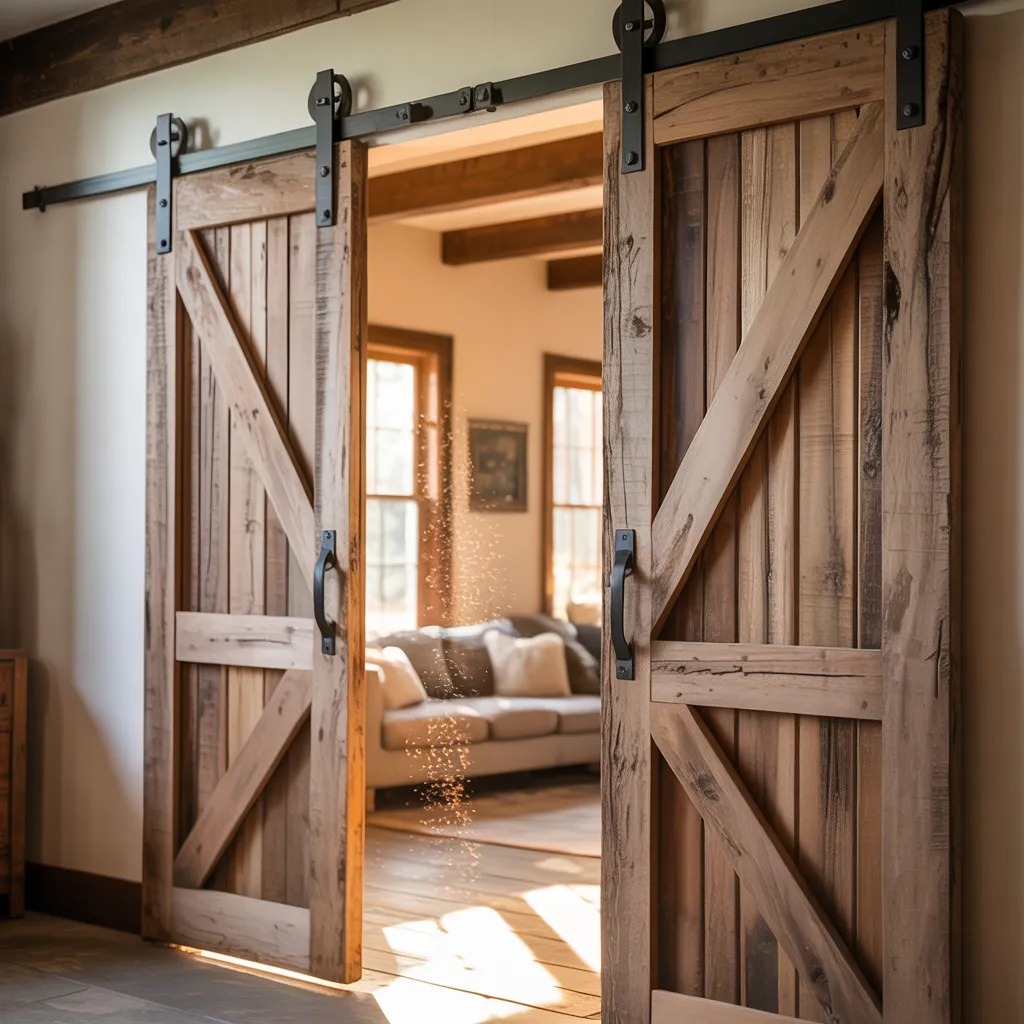
The Advantages of Sliding Glass Doors
Sliding glass doors offer a wide range of benefits that improve both function and appearance in a home. These doors enable seamless shifts between indoor and outdoor spaces, fostering a more expansive and welcoming setting. Their large glass sections flood rooms with natural light, decreasing dependence on artificial lighting during daylight hours and establishing a warm, welcoming ambiance.
In addition to their attractive appearance, sliding glass doors are space-saving. In contrast to conventional doors, they do not require extra room to operate, making them ideal for tighter spaces or areas with limited space. Many designs come equipped with energy-saving glass features, helping to regulate indoor temperatures and reduce energy costs.
In addition, sliding glass doors may boost property value, as they are frequently desired for their sleek design and versatility. In general, these doors combine aesthetics with functionality, making them a favored pick for contemporary homes.
Key Concerns About Sliding Glass Doors
Even though sliding glass doors present decorative charm, multiple significant factors require careful thought. Security risks have the potential to jeopardize household safety, while energy inefficiency problems might contribute to elevated utility bills. Additionally, maintenance requirements can pose challenges for homeowners seeking long-term functionality.
Security Vulnerabilities
Numerous homeowners ignore the possible security weaknesses linked to sliding glass doors. These doors typically include a single lock mechanism, which is simple to bypass. Burglars can take advantage of the openings along the door frame or employ devices to defeat the lock completely. Additionally, the glass panels themselves can be a weak point; they remain vulnerable to breakage, providing an easy entry.
Homeowners often fail to implement sufficient protective measures including window sensors or reinforcing bars. Additionally, the see-through nature of sliding glass doors could unknowingly encourage criminal behavior, as potential intruders can easily observe interior layouts. Therefore, while aesthetically pleasing, sliding glass doors demand thoughtful attention to security improvements to ensure the protection of the residence.
Energy Efficiency Issues
When evaluating sliding glass doors, energy efficiency becomes a primary concern for homeowners. These doors typically include large glass panels that may result in substantial heat loss during the winter months and heat gain in warmer seasons. Insufficient insulation may intensify these concerns, leading to increased energy bills and reduced comfort. Homeowners might also face challenges with air leaks, which can further compromise a home's thermal performance. Moreover, the choice of glass type and frame material is vital; low-E glass and insulated frames can enhance energy efficiency. To address these issues, it is important for homeowners to invest in high-quality sliding glass doors that comply with energy efficiency requirements, guaranteeing improved insulation and lower energy usage in the long run.
Upkeep Requirements
Sliding glass doors need consistent care to guarantee peak functionality and longevity. Homeowners ought to regularly check the tracks for grime and obstructions, as obstructions can hinder smooth operation. Removing buildup using a vacuum and gentle cleaner works to avoid debris formation, ensuring the door glides effortlessly. Lubrication of the rollers is essential; a silicone-based spray can reduce friction and wear. Additionally, checking seals and weather stripping for wear is vital, as damaged seals may result in energy loss and possible moisture infiltration. Periodically securing screws and copyrights further improves stability and safety. By adhering to these maintenance practices, property owners can maximize the longevity of their sliding glass doors while avoiding unnecessary repair costs.
Exploring the Energy Efficiency of Sliding Glass Doors
How energy efficient are sliding glass doors? Their effectiveness can differ significantly depending on materials, construction, and installation. Modern sliding glass doors often feature double or triple glazing, which can enhance insulation and minimize heat transfer. Low-emissivity (Low-E) glass coatings additionally enhance energy efficiency by reflecting heat, assisting in maintaining consistent indoor temperatures.
However, the energy efficiency of these doors can be compromised by substandard sealing and fitting. Structural gaps or uneven fittings may lead to drafts, driving up energy bills. In addition, the type of frame material plays an significant role; vinyl and fiberglass frames generally provide better thermal performance than aluminum.
Homeowners must also take into account the placement of the doors, as prolonged exposure to direct sunlight can lead to higher cooling requirements. All things considered, while sliding glass doors are capable of being energy efficient, careful selection and installation are critical for maximum performance.
How to Enhance Security With Sliding Glass Doors
Boosting safety with sliding glass doors calls for a deliberate approach to installation and design. Initially, opting for laminated or tempered glass considerably enhances resistance to breakage. In addition, incorporating multiple-point locking systems offers greater safety by activating multiple locking points along the frame of the door.
Strengthening the frame with metallic or composite elements can prevent unauthorized access, while installing security bars or grilles offers an extra layer of protection without sacrificing aesthetics.
Appropriate installation is vital; making sure the door sits securely within the frame reduces weak points. Consider incorporating a security film on the glass, which prevents shards from scattering if the glass is broken.
Ultimately, security cameras and outdoor lighting can further improve security by discouraging would-be intruders. By putting these precautions in place, property owners can significantly enhance the security of their sliding glass doors while maintaining their functional and aesthetic appeal.
Helpful Maintenance Tips for Your Sliding Glass Doors
Keeping up sliding glass doors is crucial for securing their durability and performance. Regular cleaning of both the glass and tracks works to avoid dirt accumulation, which can interfere with smooth operation. A mixture of warm soapy water is well-suited for cleaning the glass, while a handheld vacuum or moist cloth can efficiently clean out dirt from the tracks.
Keeping the track system properly lubricated is an essential maintenance step; using a silicone-based spray can enhance sliding ease and prevent rust. Regularly examining the seals and weather stripping is essential for identifying signs of wear or damage, which can lead to energy inefficiency.
Furthermore , residents should examine the sliding rollers for any evidence of deterioration and replace them if necessary . Quickly resolving any minor concerns can avoid expensive repairs in the future . Overall , a consistent care regimen will keep sliding glass doors operating efficiently for years to come .
Design Choices: Identifying the Ideal Style
When choosing sliding glass door options, a variety of design choices heavily affect both visual appeal and practical function. Decisions regarding materials and durability, framing styles and color selections, along with grid configurations, are fundamental factors in achieving the desired look and performance. Recognizing these factors enables homeowners to make thoughtful selections that enhance their space.
Material Options And Lasting Quality
Choosing the right option for sliding glass doors heavily influences both durability and design. Popular materials consist of vinyl, aluminum, and wood, all providing distinct advantages. Vinyl is recognized for its low maintenance and energy efficiency, making it a popular choice for many homeowners. Aluminum offers a sleek, modern look and outstanding resilience but might need additional maintenance to guard against corrosion. Wood, though visually appealing and offering excellent insulation, requires consistent upkeep to ensure lasting durability. Additionally, composite options blend the advantages of vinyl and wood, offering enhanced durability while preserving aesthetics. At the end of the day, picking the ideal material not only affects the door's lifespan but also enhances the overall aesthetic of the house, ensuring both practicality and visual appeal.
Frame Styles And Color Options
Frame styles and colors are a key factor in the visual appeal of sliding glass doors, greatly influencing a home's overall look. A range of frame styles, such as contemporary, traditional, or minimalist, can complement different architectural themes. Homeowners often helpful guide choose between materials like wood, aluminum, or vinyl, with each providing unique aesthetic qualities and longevity. Color options range from classic whites and blacks to bold hues, allowing for personalization that enhances curb appeal. Tailored finishes may complement or stand out against current décor, creating a cohesive look. Selecting the ideal frame style and color not only enhances the door's look but also expresses the homeowner's personality, making it a crucial consideration in the selection process.
Grid Patterns And Designs
Grid designs and patterns improve the aesthetic appeal of sliding glass doors, offering an opportunity to tailor the style and ambiance of a living area. A wide range of grid patterns, such as traditional grids, modern minimalist lines, or custom designs, can convert a basic entryway into an elegant design feature. These patterns not only contribute to visual elegance but also introduce an element of organization, guiding the eye and enhancing the overall design of a room. Property owners may select from various materials and finishes to more closely coordinate the grid pattern with their interior design. Ultimately, selecting the right grid pattern supports individuality while preserving usability, establishing it as a vital element in the design journey of sliding glass doors.
Sliding Glass Doors: What's the Cost?
What elements affect the price of sliding glass doors? Multiple factors play a key role in establishing the cost. To begin with, the material chosen significantly impacts the price; options range from vinyl and aluminum to wood and fiberglass, each varying in durability and aesthetic appeal. Additionally, the dimensions of the door represent a significant consideration; bigger doors tend to come with greater costs. In addition, the glass type chosen, including standard or tempered options, will influence expenses because of distinctions in safety and insulation qualities.
The complexity of installation also plays a role in overall costs. Straightforward installations are generally associated with reduced costs, while custom designs or structural modifications can escalate the price. Moreover, brand recognition and warranty coverage can impact pricing, with high-end brands frequently commanding higher prices. In addition, local labor rates differ, which impacts the total cost. Being aware of these elements enables homeowners to make well-informed choices when planning their sliding glass door budget.

Questions We Are Often Asked
Is It Possible to Install Sliding Glass Doors in Any Type of Home?
Sliding glass doors are suitable for numerous residential property types, such as modern, traditional, and contemporary designs. However, specific structural considerations and space requirements must be assessed to ensure an appropriate fit and optimal functionality across each distinct environment.
How Do Sliding Glass Doors Handle Harsh Weather Conditions?
Sliding glass doors often face challenges during harsh weather events, particularly high winds and heavy rain. However, with proper materials and installation, certain models are capable of effectively withstanding the elements, providing improved durability and insulation for homes that experience such conditions.
What Child Safety Features Are Available for Sliding Glass Doors?
Yes, most sliding glass doors feature protective measures for children such as protective screens, locks, and safety sensors. These safety elements work to prevent accidental openings and enhance overall security, creating a safer environment for young ones.
What Are the Most Common Materials Used for Sliding Glass Doors?
Common materials used for sliding glass doors include aluminum, vinyl, wood, and fiberglass. Each material offers distinct benefits, such as durability, energy efficiency, and aesthetic appeal, allowing homeowners to choose based on their specific needs and preferences.
Do Sliding Glass Doors Boost Home Resale Value?
Sliding glass doors have the potential to boost a home's resale value by enhancing both aesthetics and functionality, creating an open feel, and connecting indoor and outdoor spaces. The attractiveness they offer to prospective buyers frequently leads to a favorable effect on property value.